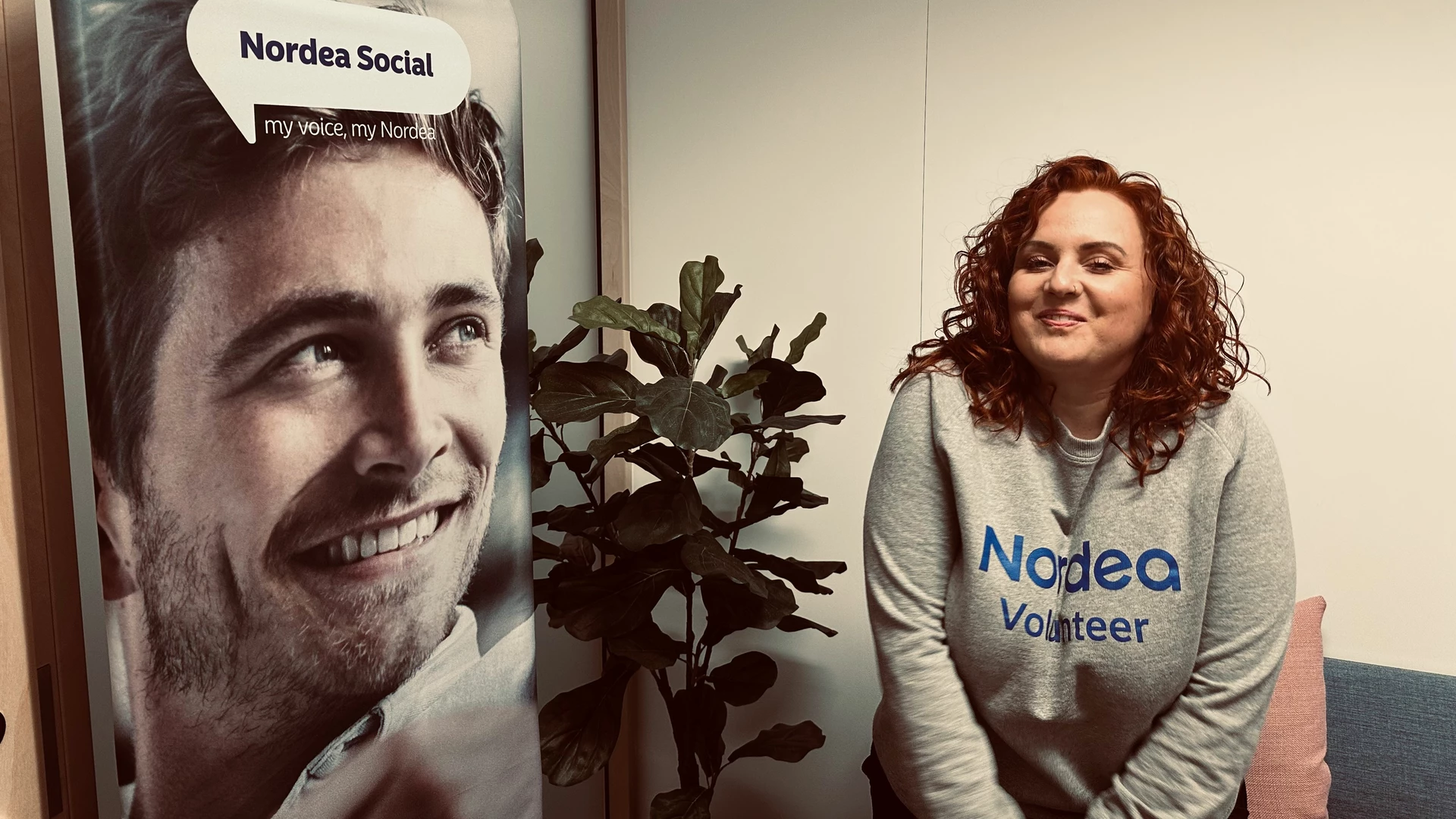
We met with Kadri to hear more about what she had experienced and learned during her time as a volunteer.

Can you tell us about your first assignment and what motivated you in the first place?

My mission was to educate and raise awareness about financial crime. Little did I know that I would end up learning as much as I shared. My first assignments brought me to schools in Estonia. The goal was straightforward: teach kids about financial crime. But the execution was far from simple.

Kids today are incredibly sharp. They're not just watching TikTok: they're analysing it for ad fraud! They had questions that would stump seasoned professionals. One student even asked “why would someone launder money when you can use crypto?” I felt like I was at a fintech summit rather than a school!

By the second school visit, I realised something profound: there's a reason teachers are teachers. Managing curious minds, steering discussions and keeping energy high is nothing short of wizardry. Teachers deserve every bit of praise we can give and more.

Volunteering isn't about perfection: it's about showing up with your heart in the right place.

You also did online sessions: were they easier? 

My next opportunity was an online session for Puuetega Inimeste Koda, an organisation supporting people with disabilities, including those with hearing and vision challenges – and it started with a classic tech fail. 

VPN issues left me unable to hear or interact with the audience. I was essentially a voice in the void, trying to sound enthusiastic while cracking jokes I couldn't be sure landed. But here's the twist: it worked! The translator assured me my jokes were easy to sign, and the feedback from attendees was heartwarming.

You also had an assignment that was 100% outside your professional area. How did that feel?

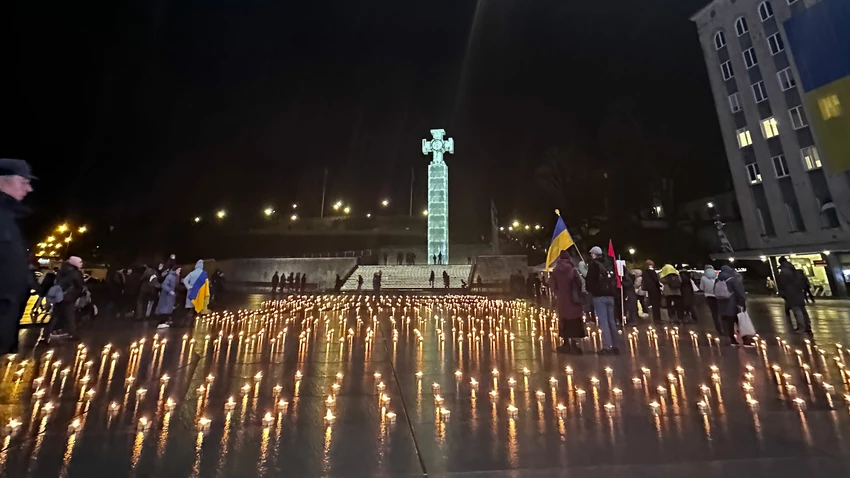
My final adventure was volunteering with Pagulasabi (the Estonian Refugee Council) during an event at Freedom Square.  My role was translating speeches for diplomats. Initially, I thought "me? Translating for diplomats? This is how international incidents start!” But then I remembered that volunteering isn't about perfection: it's about showing up with your heart in the right place.

The Freedom Square in Tallinn.

The event marked 1,000 days of war in Ukraine, a sombre milestone, yet one filled with hope as people of many nationalities gathered to show their support. I had the privilege of translating speeches that were less about lofty diplomacy and more about raw human connection. One unforgettable moment was discussing the event with Ambassador Nakamura Koichiro of Japan, a once-in-a-lifetime experience I'll carry with me forever.

What's your overall takeaway from these volunteering experiences?

Volunteering is not always smooth. Sometimes kids outsmart you, technology fails, or you fear you're in over your head. But those challenges are the very moments that push you to grow. I'm grateful to Nordea's community engagement group for these opportunities. They reminded me that making a difference doesn't require perfection: just a willingness to show up, share and connect.

Any advice for people considering volunteering?

Take the leap! You might just find, as I did, that the impact you make is matched only by the inspiration you receive.


Volunteering
After reading this article, is your perception of Nordea?
Child with phone

Financial skills

Building financial confidence from an early age together with Gimi

Financial habits start forming in early childhood, shaping lifelong financial behaviour. Yet many children lack the skills needed to handle finances confidently. Nordea has teamed up with Gimi to make it easier and more fun for young people to understand and manage their money.

Read more
Morher and daugther conversing in living room

Private economy

What is financial literacy?

Financial literacy is about having the right combination of awareness, knowledge, skill, attitude and behaviour to make sound financial decisions and ultimately achieve financial wellbeing. It’s about understanding various financial concepts, products and risks, and applying this knowledge in real-life situations.

Read more
Male and female students sitting at desk in classroom

Financial skills

How we support financial literacy among children and young people

At Nordea, we want to help people build the financial skills that are important for financial stability and a good quality of life. Our employees teach these skills to thousands of children and young people every year.

Read more