
Explainer
Your guide to bond issuance and loan transactions
Need a brush-up on the ins and outs of debt financing? Here's what you need to know.
Read moreSustainability is about balancing the environmental, societal and governance factors of development to ensure that we meet the needs of the present without compromising the ability of future generations to meet their needs.
Explainer
Need a brush-up on the ins and outs of debt financing? Here's what you need to know.
Read more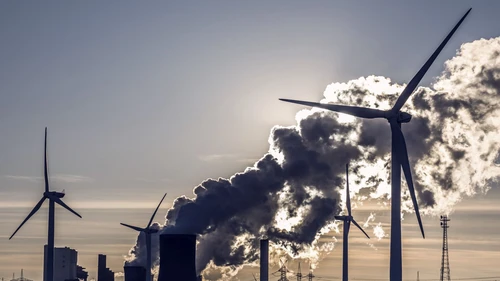
Sustainability
The supply chain accounts for most corporate emissions, making it a significant opportunity for impact. Companies that move beyond reporting to active supplier engagement can reduce emissions while strengthening resilience and cutting costs, writes Lead Sustainability Business Analyst Martin Zistler.
Read more
Sustainability
Nordea recently gathered sustainability and audit experts from EY, PwC, Deloitte and KPMG for a panel discussion on CSRD reporting, sharing lessons from 2025 and practical advice for what comes next.
Read more
Sustainability
Nordea and Caverion collaborate to promote and finance energy efficiency projects of buildings. The aim is to help companies identify opportunities to reduce energy consumption, improve the energy efficiency of properties, and find the right investment solutions.
Read more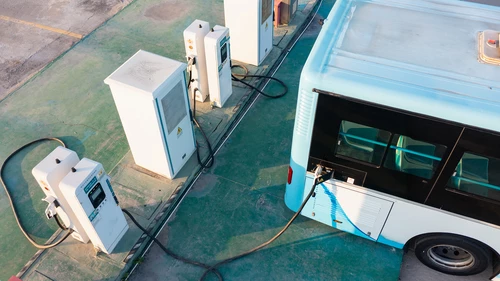
Sector insights
The transition of Nordic commercial transport towards lower emissions is clearly underway, but it still lags passenger transport. Tightening regulation, low Nordic electricity prices and improving technology are pushing the sector toward electrification, despite significant investment requirements.
Read more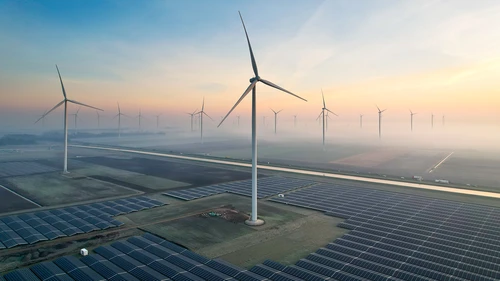
Sustainability
As companies move towards a lower-carbon economy, many are asking what a climate transition plan looks like in practice. At Nordea, we support customers through dialogue, advice and financing solutions tailored to their needs.
Read more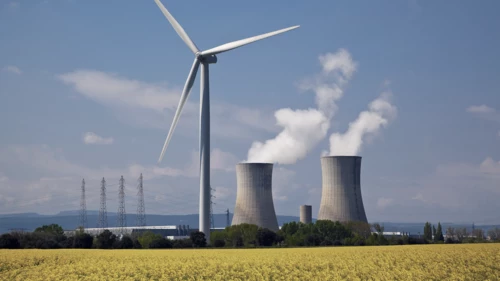
Sustainability
The European Commission has unveiled revisions to its Emissions Trading System (ETS) and launched an ambitious Electrification Action Plan. The reforms adjust decarbonisation timelines while extending support for industry investment, and set a target to double Europe’s electrification rate to 46% by 2040.
Read more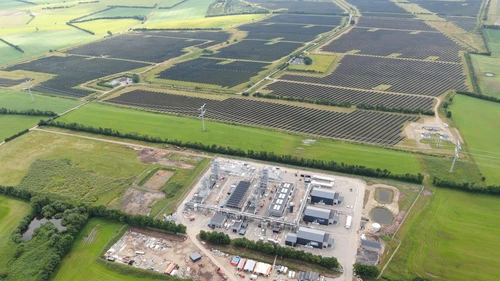
Customers in focus
The collaboration between Nordea and European Energy shows how long-term financial partnerships enable complex renewable energy projects, from solar parks to commercial-scale e-methanol production.
Read more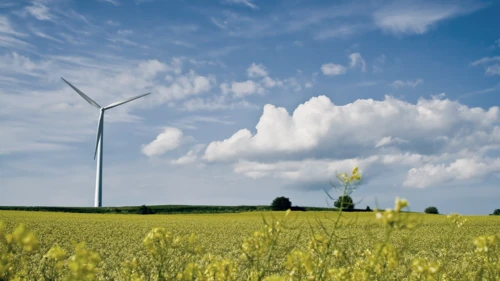
Sustainable finance
Copenhagen Infrastructure Partners acquires Ørsted's onshore renewables portfolio in one of Europe's largest renewable energy platform financings.
Read more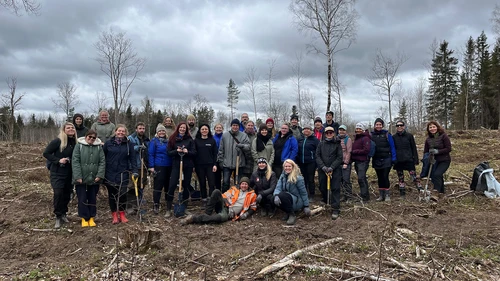
Sustainability
What began as a way to celebrate colleagues reaching five years at Nordea has grown into a hands-on initiative that brings people together while supporting a greener future. Each year in Estonia, employees step out of the office and into nature to take part in Tree Planting Day.
Read more
Sustainability
The deadline for national transposition of the EU’s Energy Performance of Buildings Directive (EPBD) has passed, and countries are now legally responsible for the regulation’s renovation targets. We have reviewed trends in France, the most notable EPBD early-adopter, to get clues about potential future impact.
Read more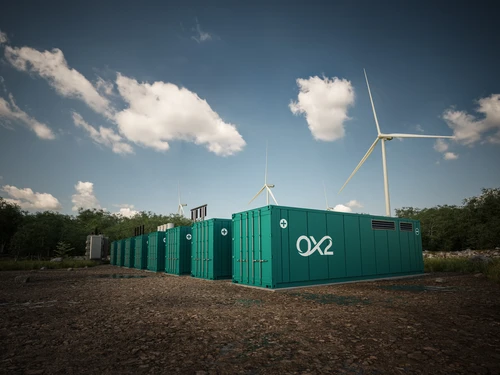
Insights
Nordea recently supported OX2 in securing project financing for two co-located battery energy storage systems with a combined capacity of 235 MW/470 MWh, integrated with the company's new onshore wind portfolio in Finland.
Read more