Nordea's methane engagement: pushing energy companies to achieve near-zero methane emissions
Head of Responsible Investments Eric Pedersen and ESG Director, Climate & Nature Renée Tengberg explains why engaging on methane emissions reductions matters from an investor perspective.
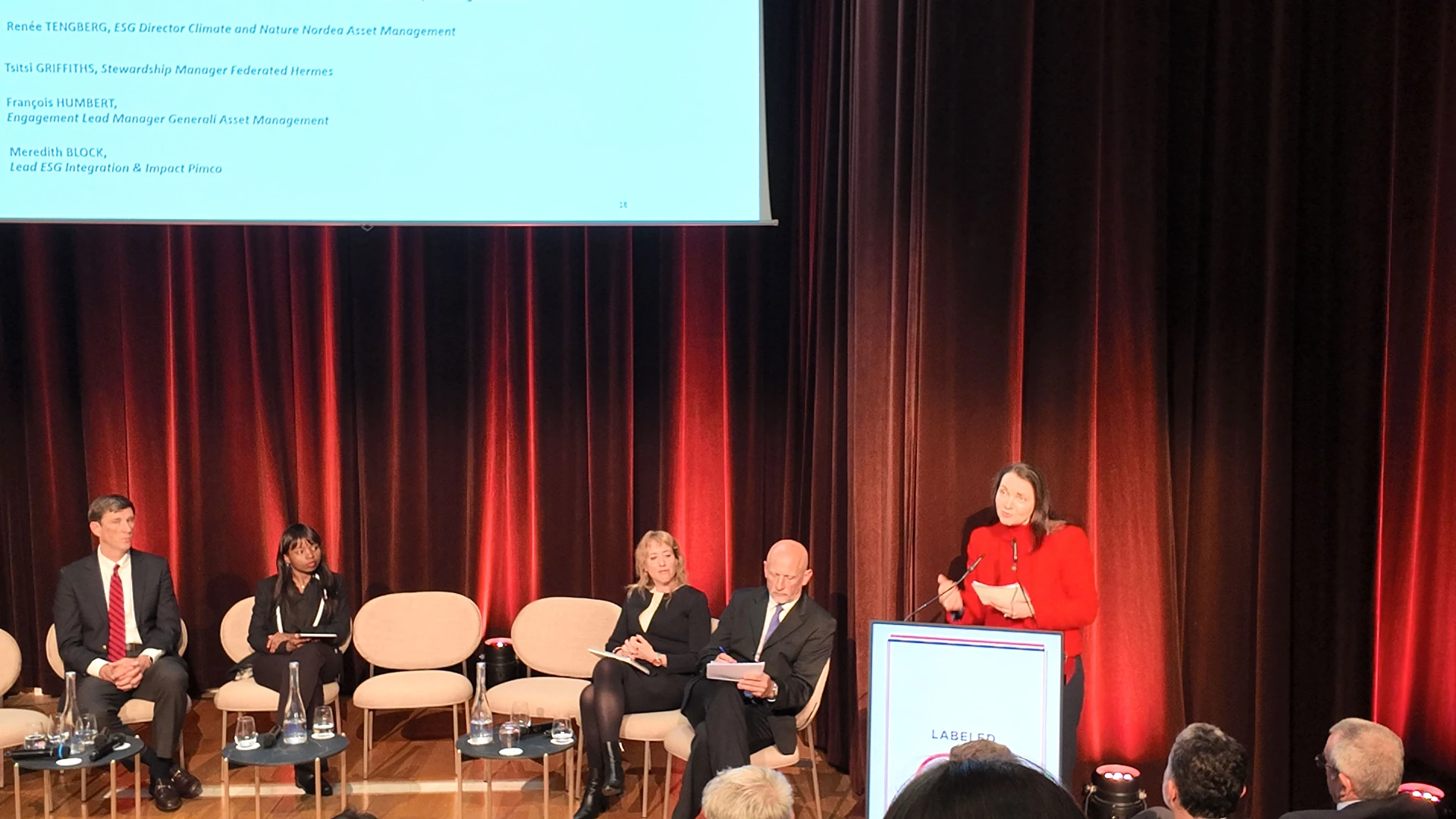
Speakers in the finance session at the G7 French Presidency methane summit: L-R Nile Garritson, Portfolio Manager, California State Teachers' Retirement System (CalSTRS); Tsitsi Griffiths Stewardship Manager, EOS at Federate Hermes; Meredith Block, ESG Integration & Impact Strategy lead, PIMCO; Tim Gould Chief Energy Economist at the IEA (moderator) and Renée Tengberg, ESG Director for Climate & Nature, Responsible Investments, Nordea Asset Management.
Nordea’s Responsible Investments team leads a large investor collaboration that engages with more than 60 energy and waste management companies globally to push them to achieve near-zero methane emissions. The team is also active in policy advocacy and recently joined an investor coalition of more than 40 investors urging EU policymakers to implement the EU Methane Regulation as adopted.
We met with Head of Responsible Investments Eric Pedersen and ESG Director, Climate & Nature Renée Tengberg to learn why engaging on methane emissions reductions matters so much.
Renée, you recently spoke at a G7 French Presidency event on methane about how the finance sector is working to drive methane emissions reductions. Can you explain what you're asking investee oil and gas companies to do?
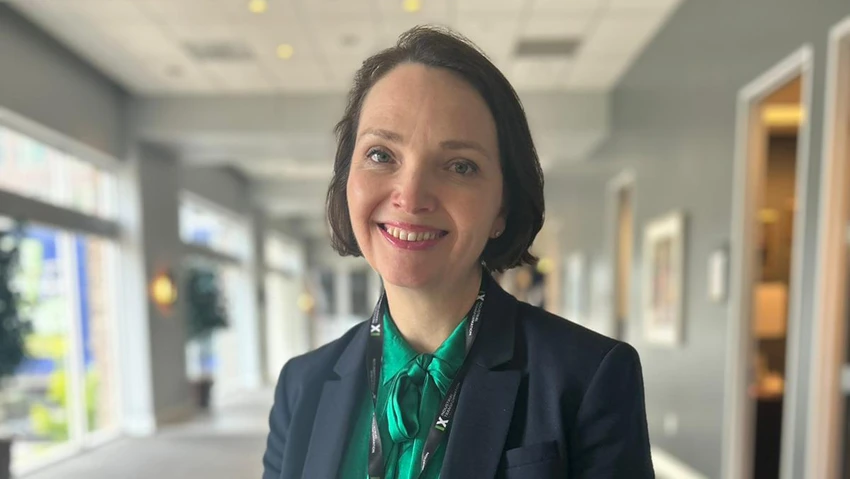
ESG Director, Climate & Nature Renée Tengberg.
Our message to oil and gas companies is clear: we expect them to work towards achieving near-zero methane emissions - or, in other words, no gas leaks, since methane is just natural gas - by implementing the rigorous Oil and Gas Methane Partnership 2.0 framework. This means we encourage companies to measure and report methane emissions using direct site-level data rather than estimates, following a globally recognised standard.
Achieving the highest standards of measurement and reporting is essential – not just to track progress, but to build trust and comparability across the sector. Methane transforms from a hidden externality into a visible investment risk and opportunity. High-quality measurement and reporting give us a better foundation to engage with companies on their targets, transition plans and expected emissions reductions – a key lever to accelerate portfolio decarbonisation and drive positive impact.
What does this look like in practice?
We expect companies to use proven methods to reduce emissions, such as comprehensive leak detection and repair programmes and facility upgrades. They must eliminate non-emergency flaring (burning of gas) and venting, and ensure reduction methods are implemented across all their operations. We also expect companies to align their incentives with methane reduction, ensuring targets translate into real operational results.
From an investor perspective, a strong methane performance isn't just an environmental issue: it reveals operational quality, safety and long-term competitiveness. Companies that measure and manage methane effectively typically demonstrate stronger operational discipline, better risk management and ultimately more resilient and profitable business models.
Eric, how important is the policy environment in achieving these goals?
Head of Responsible Investments Eric Pedersen.
The pace and scale of methane reduction ultimately depend on the policy environment in which companies operate. This brings us to what we're asking of policymakers – and why regulatory clarity and stability matter so much.
Take the EU Methane Regulation as an example. As the regulation moves into implementation, stable and predictable policy is critical from an investor perspective. Investors need to be confident that the regulatory framework for methane measurement, reporting and reduction will remain credible and consistent. And companies need to be sure that the investments they make are the right ones. This stability directly affects capital allocation decisions, risk assessments and long-term planning.
The EU methane rules as they stand aren't just good climate policy: they're needed to reduce risk for companies, portfolios, the securities market and wider society. Delaying or watering down regulation that companies have already based investment decisions on is counterproductive and risks undermining globally agreed methane reduction efforts. It also rewards laggards that have lower operational discipline – those who have left compliance to the absolute last minute and beyond.
What is your message to policymakers who also need to consider energy security?
We recognise that policymakers face competing pressures amid geopolitical uncertainty and energy market volatility. However, this makes regulatory clarity and consistency more critical. This is also because gas burnt or vented could have been used commercially instead. According to the International Energy Agency, the amount of gas lost this way equals more than what has been lost due to the early-May closure of the Strait of Hormuz.
From an investment standpoint, an effective and timely roll-out brings significant benefits. It accelerates methane reduction across the fossil fuel sectors and boosts demand for solutions and services for methane mitigation at scale. It also supports the integrity of corporate disclosures and robust measurement systems, which are essential for effective stewardship and portfolio risk management.
We continue to engage with European policymakers and expect the companies we invest in not only to adapt to regulation but also to support effective climate policy through transparent and constructive advocacy aligned with climate science and net zero goals.
Why is methane regulation important?
Methane is responsible for about one-third of total global warming today.
As a greenhouse gas, methane is 80 times more potent than CO2, and it takes 10–12 years to break down.
Reducing methane emissions delivers quick results in the fight against climate change.
In 2024 the EU adopted the world’s first methane emissions law for the energy sector.
159 countries have joined the Global Methane Pledge to reduce methane emissions by 30% by 2030.
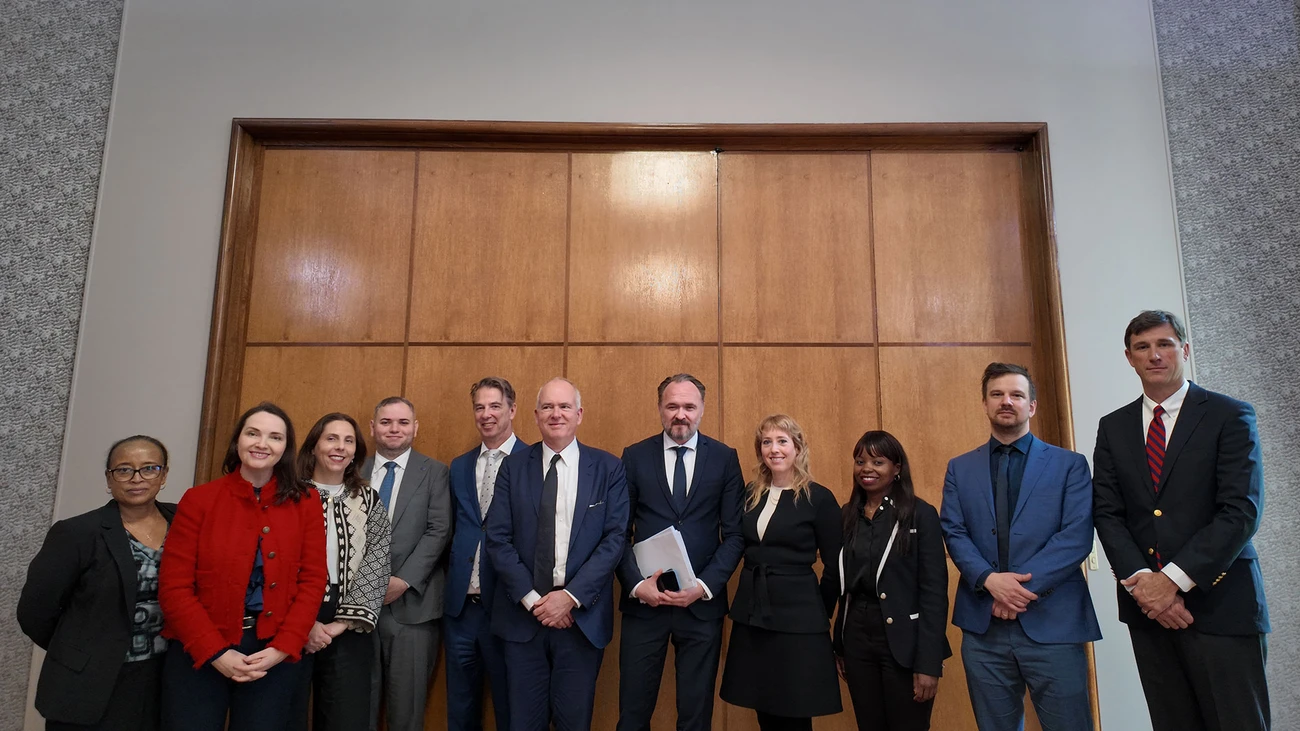
Investors and the Global NGO Environmental Defense Fund meet with the European Commission to express support for the EU Methane Regulations. Participants L-R: Angela Churie Kallhauge, Executive Vice President - Impact, Environmental Defense Fund; Renée Tengberg, ESG Director Climate and Nature, Responsible Investments, Nordea Asset Management; Dr Léa Pilsner, Director Energy Policy, Environmental Defense Fund; Henry Winckle, International Relations Officer, Directorate General for Energy, European Commission; Eric Pedersen, Head of Responsible Investments, Nordea Asset Management; Tomas Anker Christiansen, Senior Advisor to European Commissioner for Energy and Housing; Dan Jørgensen, European Commissioner for Energy and Housing; Meredith Block, ESG Integration & Impact Strategy lead, PIMCO; Tsitsi Griffiths Stewardship Manager, EOS at Federated Hermes; Patrick Peura Head of Investment Stewardship and Engagement, Allianz Investment Management; Nile Garritson, Portfolio Manager, California State Teachers' Retirement System.
The Nordic transition in commercial vehicles: Momentum builds, but adoption remains slow
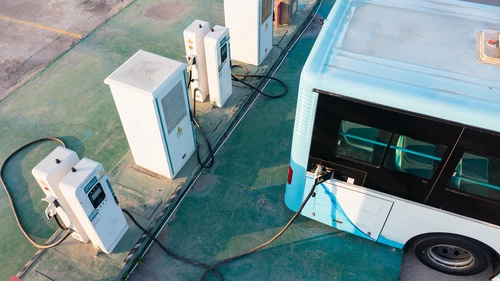
The transition of Nordic commercial transport towards lower emissions is clearly underway, but it still lags passenger transport. Tightening regulation, low Nordic electricity prices and improving technology are pushing the sector toward electrification, despite significant investment requirements.
‘Renovation wave’ kicks off – looking to France for clues
The deadline for national transposition of the EU’s Energy Performance of Buildings Directive (EPBD) has passed, and countries are now legally responsible for the regulation’s renovation targets. We have reviewed trends in France, the most notable EPBD early-adopter, to get clues about potential future impact.
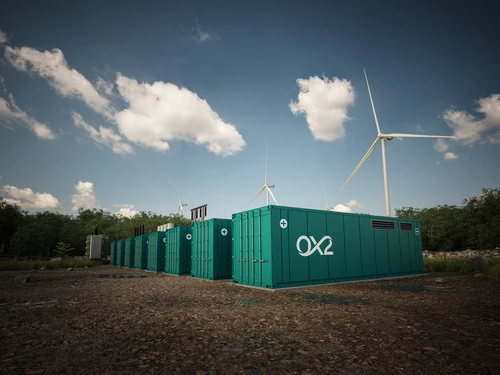
OX2: Combining wind and battery storage to strengthen the Nordic energy system
Nordea recently supported OX2 in securing project financing for two co-located battery energy storage systems with a combined capacity of 235 MW/470 MWh, integrated with the company's new onshore wind portfolio in Finland.