Beklager...

Denne siden findes ikke på norsk

Bli værende på denne siden | Fortsett til en lignende side på norsk

Key takeaways:

  • Announced headline tariff rates have risen while the actual scope of what is covered has narrowed.
  • A 50% statutory rate does not mean 50% applies to all imports.
  • The objective is not to forecast every tariff move. Identify exposure quickly, quantify the cash impact and activate pre-agreed responses.

The 50% tariff the US imposed on Canadian goods in August 2026 made headlines around the world. But strip away the noise, and a more important story emerges. The era of blanket country-level tariffs may already be giving way to something far more targeted, complex and strategically calculated.

The Section 338 tariffs that came into force on 22 August were triggered by a breakdown in US-Canada negotiations over dairy, alcohol and automotive treatment. While the 50% headline rate sounds dramatic, the measures cover approximately 550 product lines – around $20 billion of trade, roughly 5% of Canada's exports to the US and just 0.6% of total US goods imports. Major flows including energy, steel, aluminium, pharmaceuticals and civil aviation are excluded. Canada's retaliatory measures, which came into effect on 8 September, mirror the scale closely.

This didn't arrive overnight. Since late 2024, the situation has evolved through four phases: an initial broad 25% tariff threat; a shift to sector-specific levies on steel, aluminium, and automobiles; the February 2026 Supreme Court decision striking down the IEPA framework, which removed broad country-level tariff layers and drove effective rates lower; and today's targeted Section 338 package. Throughout, a consistent pattern has emerged: announced headline rates have risen while the actual scope of what is covered has narrowed. From around 2.3% in January 2025, the effective US tariff rate climbed sharply before falling back to approximately 11.1% by July 2026, with the Liberation Day tariffs averaging around 6.7% in practice, roughly 50% lower than initially implied.

A new tariff model is taking shape

What is emerging is a regime of higher complexity but narrower scope. The Canada situation actually demonstrates how targeted escalation can coexist with broader policy moderation. The 50% is not a blanket tariff; it is targeted leverage designed to pressure specific sectors while preserving room for negotiation and future settlement. The Canada talks reportedly came close to a deal on steel, aluminium, and automotive goods, demonstrating that the tariff instrument is functioning as a pressure mechanism, not a permanent barrier.
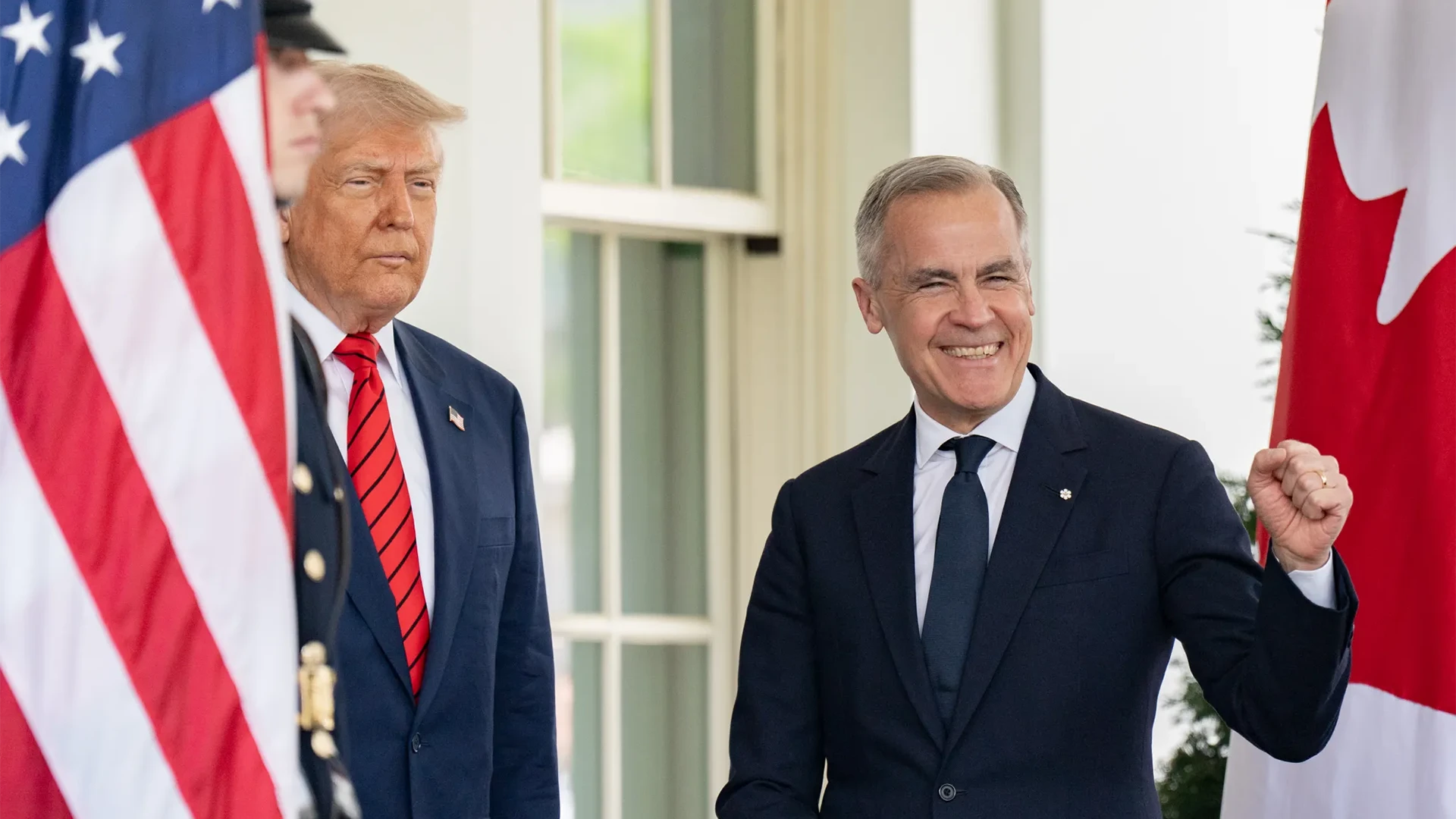

The era of blanket country-level tariffs may already be giving way to something far more targeted, complex and strategically calculated.

Richard Hayes, Chief Strategist, Transaction Banking

Richard Hayes, Head of Trade Solutions Denmark

What this means for Nordic corporates

A 50% statutory rate does not mean 50% applies to all imports. Effective cost depends on product classification, rules of origin, qualifying content and applicable exemptions. Tariff management must therefore become a data-driven, transactional-level capability rather than a macroeconomic scenario exercise.

Treasury teams need reliable classification and origin data and the ability to distinguish between statutory rates and effective exposure after exemptions. Customs duties may be paid before inventory is sold or costs passed on, creating timing gaps and working capital requirements that need active management. Supplier resilience, currency exposures from supply chain shifts, and hedge adequacy all warrant close attention.

The objective is not to forecast every tariff move. It is to identify exposure quickly, quantify the cash impact and activate pre-agreed responses.

Tariff management must become a data-driven, transactional-level capability rather than a macroeconomic scenario exercise.


Watch the Trade Trends webinar with Richard Hayes, Chief Strategist in Transaction Banking, from 9 September 2026

After reading this article, is your perception of Nordea? (Required)
* Required fields are shown with an asterisk.
Highway in the evening

Payments

Nordea to join Swift payments scheme as Gateway Intermediary

Nordea is set to join the Swift payments scheme as a Gateway Intermediary, reinforcing our position as the gateway to the Nordics and our commitment to faster, more transparent cross-border payments.

Read more
image of Copenhagen city harbor bike bridge

Business growth

Why the Nordics need a stronger capital market

The Nordic Compass alliance will convene this autumn to present proposals for strengthening competitiveness and resilience in the Nordics. Nordea is a founding partner in Nordic Compass and leading one of four strategic tracks focusing on retaining Nordic capital in the region to support growth.

Read more
Mature teacher with young female students in the lab

Corporate insights

How Lundbeck turned ambition into acquisition: Lessons from a pharma treasury leader

This article is based on a session from Treasury360 Nordic in 2026, featuring Peter Kreutzfeldt, Head of Group Treasury and Insurance at Lundbeck, in conversation with Henrik Immelborn, Managing Director at Nordea. The discussion explored how Lundbeck has built a funding platform capable of supporting an active M&A agenda.

Read more