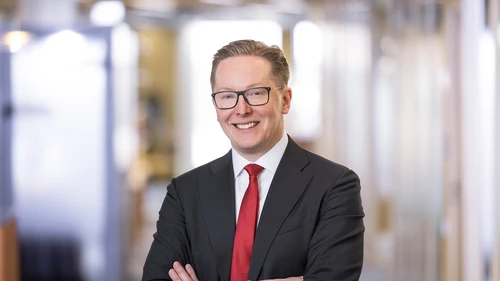
Morten Ristvedt once dreamed of becoming a carpenter. Today, as Head of Large Corporates & Institutions Norway, he may be better with numbers than a hammer, but the desire to build something has stayed with him. He talks about finding his way into banking by chance, the opportunities he sees for Norwegian companies, and why a custom-built motorcycle called “The Banker” took four years to complete.

Let’s start at the beginning. What did you dream of becoming when you were younger?

Not even close to banking. I wanted to be a carpenter. I liked the idea of building something tangible, leaving a mark. Then I realised I was probably better with numbers than a hammer. But that desire to build something was definitely there from early on.

How did you end up in banking?

Completely by chance. I had a neighbour who happened to have essentially the same job I have today, heading corporate and institutional banking at Kreditkassen (former Nordea Norway). He gave me the number of someone in HR and suggested I give him a call. They had two opportunities: one in equity sales and another in a new corporate trainee programme. I applied for the trainee programme and got in. It opened up an entirely new world to me. Over 18 months, I got to spend time in several departments in the bank. Once I found the corporate side, I never really looked back.

How would you describe your role today?

I'm responsible for Nordea's largest corporate and institutional clients in Norway. These are the most complex clients we have, and we are operating in a very competitive environment. They really keep us on our toes. What gives me the most energy is the people side of it, working with passionate, competent colleagues who go the extra mile, and then together coming up with a solution that genuinely sets us apart and creates real value for a client. If I could spend every single day just meeting clients and listening to what they need and how we could support them, I would.

I think the banks that win will be the ones that can combine efficient, data-driven workflows with genuinely good advice and that trusted relationship. 

Norway is a growth priority for Nordea. What does that mean in practice?

Norway has always been a bit of an underdog within the group. We're the smallest country in the Nordea Group. So to have the full support and focus of the entire organisation is hugely motivating, both for me and for my team. Having that backing gives us a real sense of pride and drive. That’s why it means so much that we were just ranked #1 in the Prospera customer satisfaction survey for large corporates in Norway. It’s a recognition of what our team delivers every day.

What makes the Norwegian corporate landscape distinctive?

Norway is a very resource-rich economy. Oil & gas is obviously a significant part of GDP, but we're also a global leader in salmon farming, clean energy, metallurgical industries – and then there's shipping. Nordea has a globally leading shipping franchise built on a strong maritime heritage, and it’s a big part of what we do. Beyond that, I see real momentum across seafood and aquaculture, renewable energy, defence and technology. And after years of holding back post-COVID, Norwegian corporates are investing again. More M&A, more strategic growth.

AI is changing most industries. How do you see it affecting the relationship between a bank and its largest clients?

I actually think it could bring us closer together. One of Nordea's core strengths is being a safe and trusted partner. We handle data with care and confidentiality, and that matters more than ever in a world with misinformation and data risk. I think the banks that win will be the ones that can combine efficient, data-driven workflows with genuinely good advice and that trusted relationship. It's not one or the other. The technology should make us more productive and more useful to clients, but the human side, the trust, that's what holds it together.

What do you do to recharge outside of work?

My wife is an author. So we have a home full of books, and I read a lot. I also love being outside, walking our dogs in the woods, going to our cabin in the mountains. That's where I do my best thinking. And then there's the motorcycle. I have a custom-built café racer called "The Banker." It was built to my specifications by a craftsman, completely stripped down to nuts and bolts and rebuilt from scratch. It took four years, partly because COVID delayed everything. On a good summer day, out on the twisting back roads, that's a real sense of freedom. I just don't do it often enough.

What do you wish someone had told you earlier in your career?

The value of building a network, both internally and externally. It's so easy to just get absorbed in your work and focus on doing your job well, without stepping back to see the bigger picture. But the relationships you build along the way create opportunities you can't always anticipate.
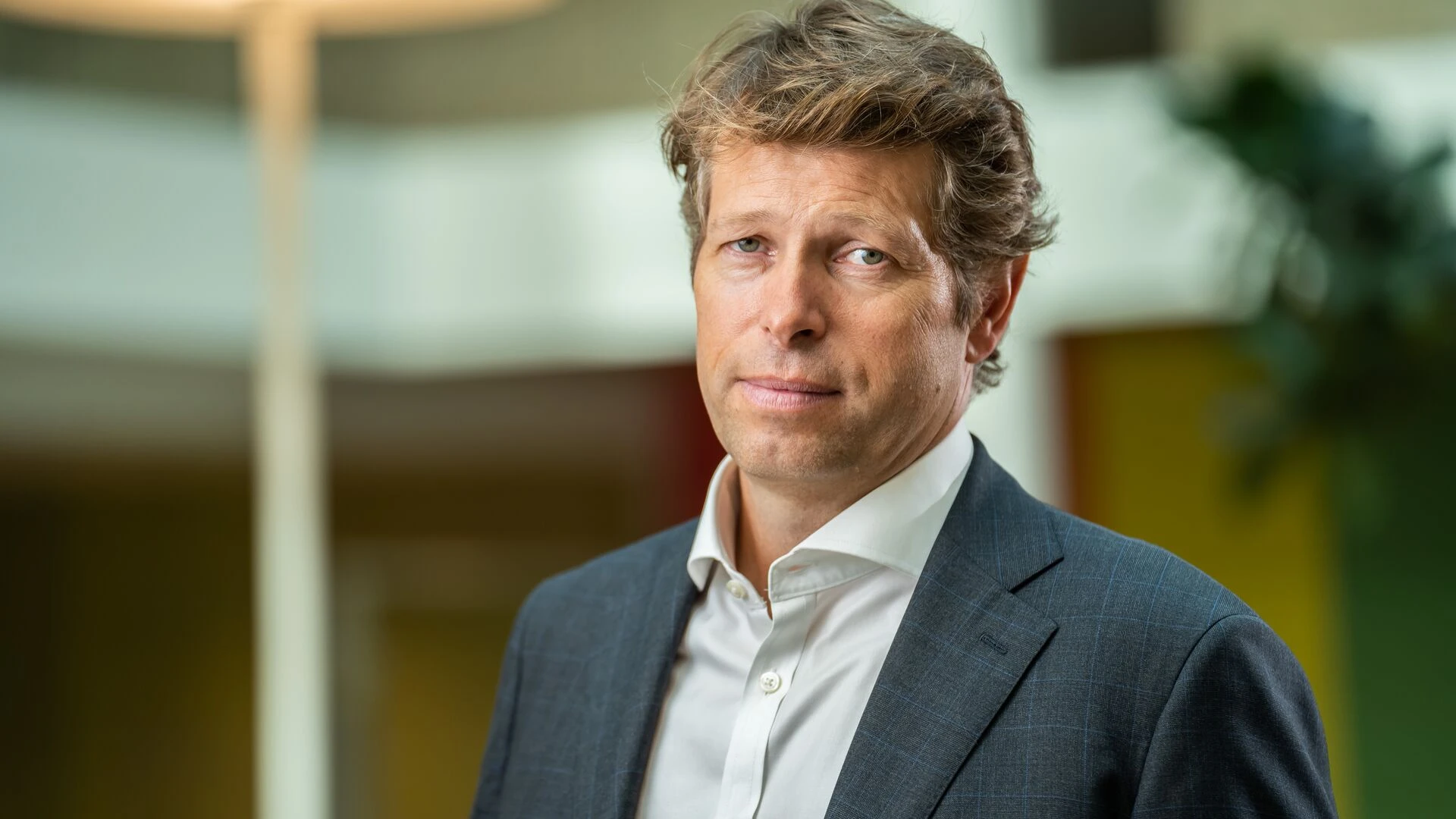
About Morten Ristvedt

Position: Head of Large Corporates & Institutions Norway at Nordea

Family: Wife and two daughters, 24 and 25, and our dogs, Elsa and My.

Studies: University of Oregon

Interests: Hiking, golfing, skiing and motorcycling.

Daily news sources: DN, Finansavisen, Aftenposten, VG

Favourite book: Lars Mytting: The Sister Bells Trilogy

Favourite TV show: The Diplomat

After reading this article, is your perception of Nordea? (Required)
* Required fields are shown with an asterisk.
Teija Nousiainen at Slush 2025

Entrepreneurship

Unlocking Nordic capital to fuel growth

While the Nordic region produces world-class growth companies that attract investors from around the world, a common belief is that we lack the volume of venture capital needed to make them stay in the region. At Nordea, we see significant untapped potential in creating a more integrated Nordic capital market.

Read more

Markets and investment

AI regulation fears hit the stock market

The Democrats' sweeping midterm victory has rattled global markets, sending technology and AI stocks sharply lower on fears of tighter regulation. We believe the market reaction may be too categorical given the underlying fundamentals.

Read more
Woman operating digital interface technology

Transaction banking

Digital currencies: The next frontier in treasury?

From “digital islands” to programmable payments. Nordea’s Ville Sointu breaks down what digital currencies actually mean for corporate treasury today. Based on our recent Treasury Trends webinar with Richard Hayes.

Read more