
- Name:
- Helge J. Pedersen
- Title:
- Nordea Group Chief Economist
Sivua ei ole saatavilla suomeksi
Pysy sivulla | Siirry aiheeseen liittyvälle suomenkieliselle sivulleHousing prices are setting records, and especially in the Copenhagen area there has been significant pressure. The government now wants to introduce a more lenient financing model, but it will hardly lead to the desired result.
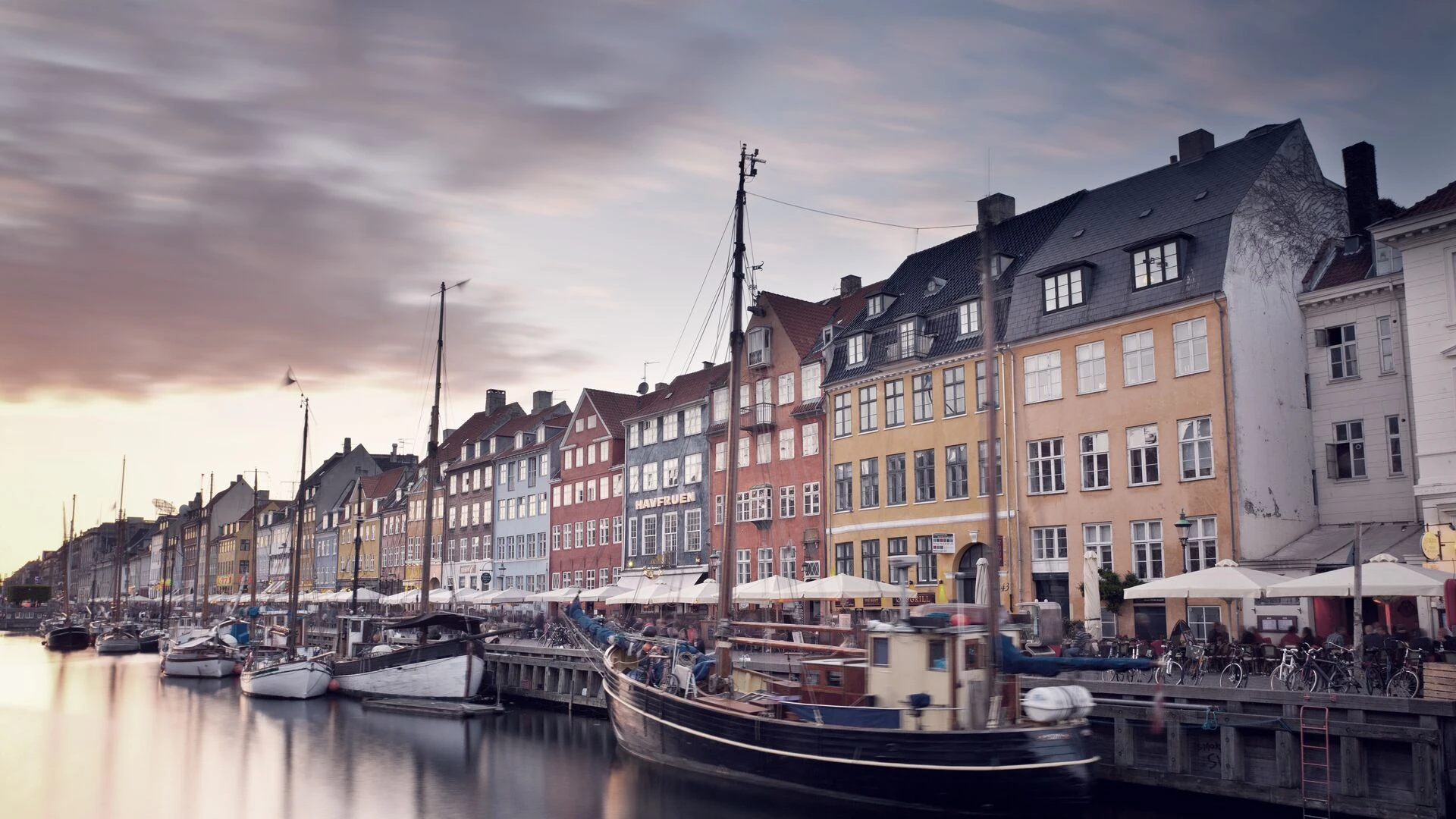
Housing prices are setting records month after month, and especially in the Copenhagen area, there has been tremendous pressure over recent years. The development has actually been so dramatic that, along with high food prices, it has become a reliable conversation topic for an economist like me at any dinner party.
But it's certainly not only in Denmark that there have been significant price increases in housing. This has also been the case in many other countries, but differences in tax and financing conditions make it difficult to compare developments across national borders. When adjusted for inflation, however, the development in Denmark has not been extraordinary. Since the pandemic, the real (inflation-adjusted) prices of single-family homes in Denmark have thus increased by 10%, while they have increased by 5% in the eurozone and by 16% in the OECD area.
Economic models typically explain price developments based on financing costs and income development. But there are actually other factors that have increasingly come into play in recent years. During the pandemic, household savings increased significantly in most Western countries during lockdowns. This enabled greater demand for housing. Many wanted a larger home where home offices could be set up, and vacation homes became popular due to limited travel opportunities. Normally, supply would increase with increased demand, but new construction was limited by shortages of materials and labor. After Russia's invasion of Ukraine, higher material prices, energy crisis, and rising interest rates further hit new construction. So a mismatch arose between supply and demand, which contributed to increasing prices. Urbanization, which accelerated at the beginning of the millennium, has simultaneously led to a wide spread in housing price developments.
Globally, the demand for housing in major cities has increased significantly, while it has decreased in rural areas. In all of Denmark, real housing prices nationwide are thus today at the same level as in 2006, just before the financial crisis. But in Copenhagen, they have increased by 40% during the same period and doubled since 2012, when they reached the bottom. In Guldborgsund municipality, a completely different picture emerges – here, the real price of a single-family house today is almost 25% lower than in 2006.
While the current problem of too high prices can only be solved by either limiting demand or increasing the supply of owner-occupied housing in Copenhagen, the government's proposal will immediately help increase demand and not supply.
The demand for housing in cities is reinforced by immigration, the fact that we live longer than before, that more people choose to live alone, and the possibility of working from home. Additionally, platforms for short-term rentals have meant that apartments in major cities are increasingly viewed as investment objects. The result is that prices in cities have exploded. And when prices rise, a self-reinforcing process often occurs: Potential buyers act out of fear of further price increases, while sellers wait to put their homes up for sale for the same reason.
This is one of the reasons why prices in Copenhagen have risen by approximately 20% in the past year and have now reached levels that make it extremely difficult for young people and people with ordinary incomes to enter the Copenhagen housing market. The issue has now reached all the way to Christiansborg (Danish Parliament), where the government has proposed improving first-time buyers' opportunities through a more lenient financing model with 40-year repayment periods, resulting in lower monthly payments than with the current 30-year loans.
However, I'm afraid that the proposal will hardly lead to the desired result. While the current problem of too high prices can only be solved by either limiting demand or increasing the supply of owner-occupied housing in Copenhagen, the proposal will immediately help increase demand and not supply. Therefore, the lower monthly payments will probably just be capitalized into higher housing prices.
That is at least my own experience, which dates back to 1993, when my wife and I looked at a townhouse in Copenhagen's Northwest district. At the showing, shortly after the Nyrup government's decision to reintroduce 30-year annuity loans, there were two sales presentations ready for potential buyers: One with 20-year mixed loans, where the price was 672,000 kroner, and one with 30-year loans, where the price was 732,000 kroner. That's a difference of almost 10%. The first-year net payment on the loans was, in return, almost identical. I have since called this model for setting the price of a home the "real estate agent model," and it has largely proven to hold up quite well ever since.
In my opinion, exactly the same thing will happen if the government's proposal is adopted. Housing prices will get a boost upward, existing homeowners will see their wealth grow, and it will not become easier for young people to enter the housing market in Copenhagen, which will thus remain one of the major topics of conversation at dinner parties or wherever else people meet.

Stay ahead of the curve with our expert economic insights and forecasts. Get the latest analysis on global and Nordic markets delivered straight to your inbox.
Read more
Business growth
When the electricity market became increasingly unpredictable, three companies saw an opportunity to think differently. The result was Buddy Energy – an energy company that helps property owners transition to more sustainable and cost-efficient energy use. With support from Nordea, the company is now ready to grow – quickly and sustainably.
Read more
Sustainability
Amid geopolitical tensions and fractured global cooperation, Nordic companies are not retreating from their climate ambitions. Our Equities ESG Research team’s annual review shows stronger commitments and measurable progress on emissions reductions.
Read more
Sector insights
As Europe shifts towards strategic autonomy in critical resources, Nordic companies are uniquely positioned to lead. Learn how Nordic companies stand to gain in this new era of managed openness and resource security.
Read more