Key takeaways:
- Inflation is back, and it's not just about energy.
- More rate hikes are coming.
- The dollar is weakening, but the Danish krone remains relatively stable.
3 min to read
The article is based on Nordea's latest quarterly Rates and FX webinar, in which economists Jan Størup Nielsen and Samir Barki reviewed the key trends in financial markets and presented Nordea's forecasts for the remainder of 2026.

The summer of 2026 has been anything but quiet in financial markets. The conflict in the Middle East, rising energy prices, the AI theme in equity markets, and a new chair of the US central bank have all left their mark on interest rate and currency markets. That much was clear when Nordea economists Jan Størup Nielsen and Samir Barki recently presented their latest market assessment and interest rate forecast.
The central message from the webinar is clear: Inflation has once again become the dominant theme in the rates market. The sharp rise in oil and natural gas prices driven by the situation in the Middle East has pushed inflation in the euro area up towards 3%, significantly above the European Central Bank's target of 2%.
And according to Nordea's economists, this is not purely an energy story. Structural factors such as US trade policies, increased defence spending across Europe, and growing concerns about central bank independence are all contributing to sustained upward pressure on inflation.
"We are not going back to the zero-rate environment of the years leading up to Covid-19," Jan Størup Nielsen emphasised during the webinar.
Nordea expects the European Central Bank to raise rates a further three times: in September 2026, December 2026, and in the first quarter of 2027. In total, this would represent a rate increase of one percentage point compared to the level before the current tightening cycle began.
Markets are currently pricing in two to three additional rate hikes, and no one is talking about rate cuts. The question is not whether rates will rise, but how quickly.
The question is not whether rates will rise, but how quickly.
Danish interest rates are closely tied to developments in the euro area, and Nordea believes the peak has not yet been reached. A 10-year Danish swap rate, which currently stands at around 3.30 percent, is expected to move towards 3.60%, the highest level since the end of 2023. This also means that Danish mortgage rates will likely rise further if Nordea's forecast holds true.
In currency markets, the dollar has lost ground over the summer, partly due to uncertainty surrounding the new US Federal Reserve Chair Kevin Walsh's monetary policy stance and a weaker-than-expected US labour market in July. Nordea expects the dollar-Danish krone cross to end the year around 6.44, a modest strengthening of the euro from the current level of 6.48.
The Swedish krona is benefiting from increased risk appetite and a solid Swedish recovery, while the Norwegian krone continues to face headwinds from falling energy prices. Nordea expects a Norwegian rate hike later in the year, as inflation in Norway remains above Norges Bank's target.
Nordea continuously monitors developments in financial markets and publishes regular analyses and forecasts. Stay tuned for our next Nordea Economic Outlook, which comes out on 2 September 2026.
Watch the webinar on demand (in Danish): https://corporate-video.nordea.com/rente-og-valutawebinar-udsigter
Stay ahead of the curve with our expert economic insights and forecasts. Get the latest analysis on global and Nordic markets delivered straight to your inbox.
Read more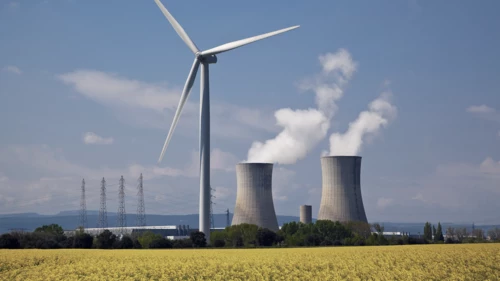
Sustainability
The European Commission has unveiled revisions to its Emissions Trading System (ETS) and launched an ambitious Electrification Action Plan. The reforms adjust decarbonisation timelines while extending support for industry investment, and set a target to double Europe’s electrification rate to 46% by 2040.
Read more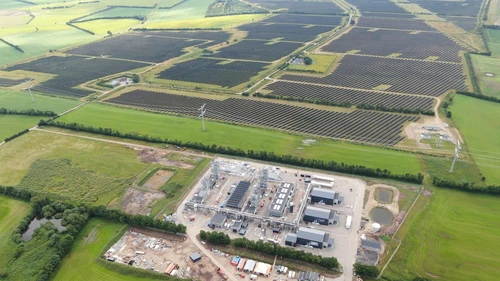
Customers in focus
The collaboration between Nordea and European Energy shows how long-term financial partnerships enable complex renewable energy projects, from solar parks to commercial-scale e-methanol production.
Read more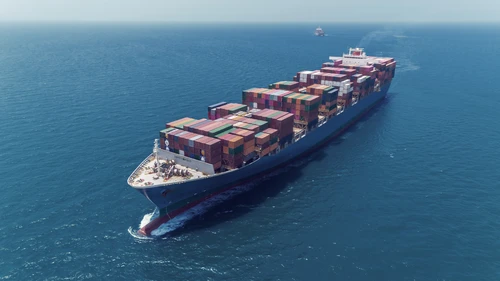
Trade finance
Global trade isn’t dying; it’s transforming. And for Nordic businesses embedded in international supply chains, understanding this shift is crucial.
Read more