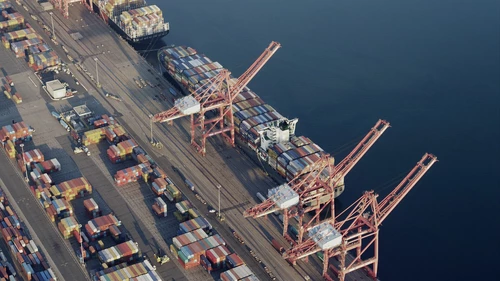
The era of hyper-efficient, lean supply chains is over. In today’s geopolitically volatile world, businesses are discovering that true agility comes not from speed alone, but from building resilience and strategic flexibility into their global networks.
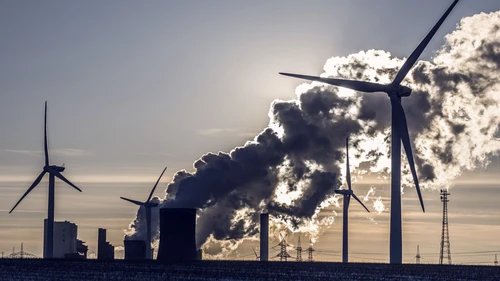
Nordeas påverkansarbete driver på energibolagen att minska sina metanutsläpp till nära noll
Eric Pedersen, chef för ansvarsfulla investeringar, och Renée Tengberg, ESG-ansvarig för klimat och natur, förklarar varför det är viktigt för kapitalförvaltare att bedriva påverkansarbete för att minska metanutsläppen.
Navigating IFRS 18 from an FX perspective: Why corporate treasurers need to act now
The new accounting standard becomes mandatory in January 2027—and it’s set to fundamentally change how foreign exchange impacts your financial statements.
Scope 3 emissions: the next big test for corporate climate action
Companies that proactively engage with their Scope 3 emissions are finding opportunities to deliver business value beyond compliance, from more strategic procurement decisions to greater supply chain resilience.
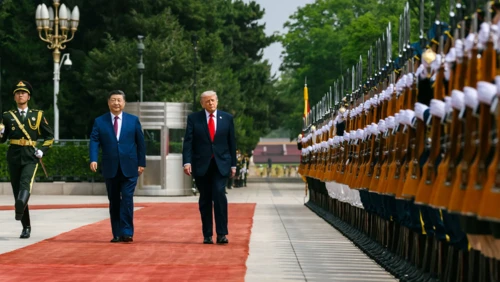
US-China trade summit: Key takeaways for Nordic businesses
The recent Beijing summit won't reset US-China relations, but it offers something businesses have craved since 2018: predictability. We break down what "managed stability" means for Nordic companies navigating global supply chains.
AI scams ranked hardest to defend against in the Nordics
AI-driven scams are now seen as the most difficult type of fraud to guard against in the Nordic region, according to new findings from our latest Nordic Pulse survey.
From payments to decisions: The future of Transaction Banking
As payment execution becomes faster and more automated, the real value in transaction banking is shifting from managing individual transactions to orchestrating financial flows in real-time environments.
Nordic economies show resilience as corporates resume deal activity
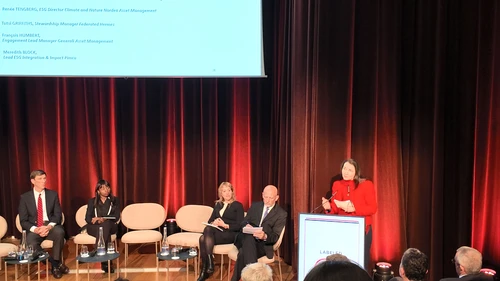
International bank partners gathered at Nordea Talks on 20 May in Copenhagen for insights on Nordic market momentum, the economic outlook and the strategic shifts reshaping payments, funding and corporate investment across the region.
The overall impact of the Middle East conflict on activity in the Norwegian economy is likely to be limited. Even so, the outlook is somewhat weaker than in previous forecasts because of higher, not lower, interest rates.