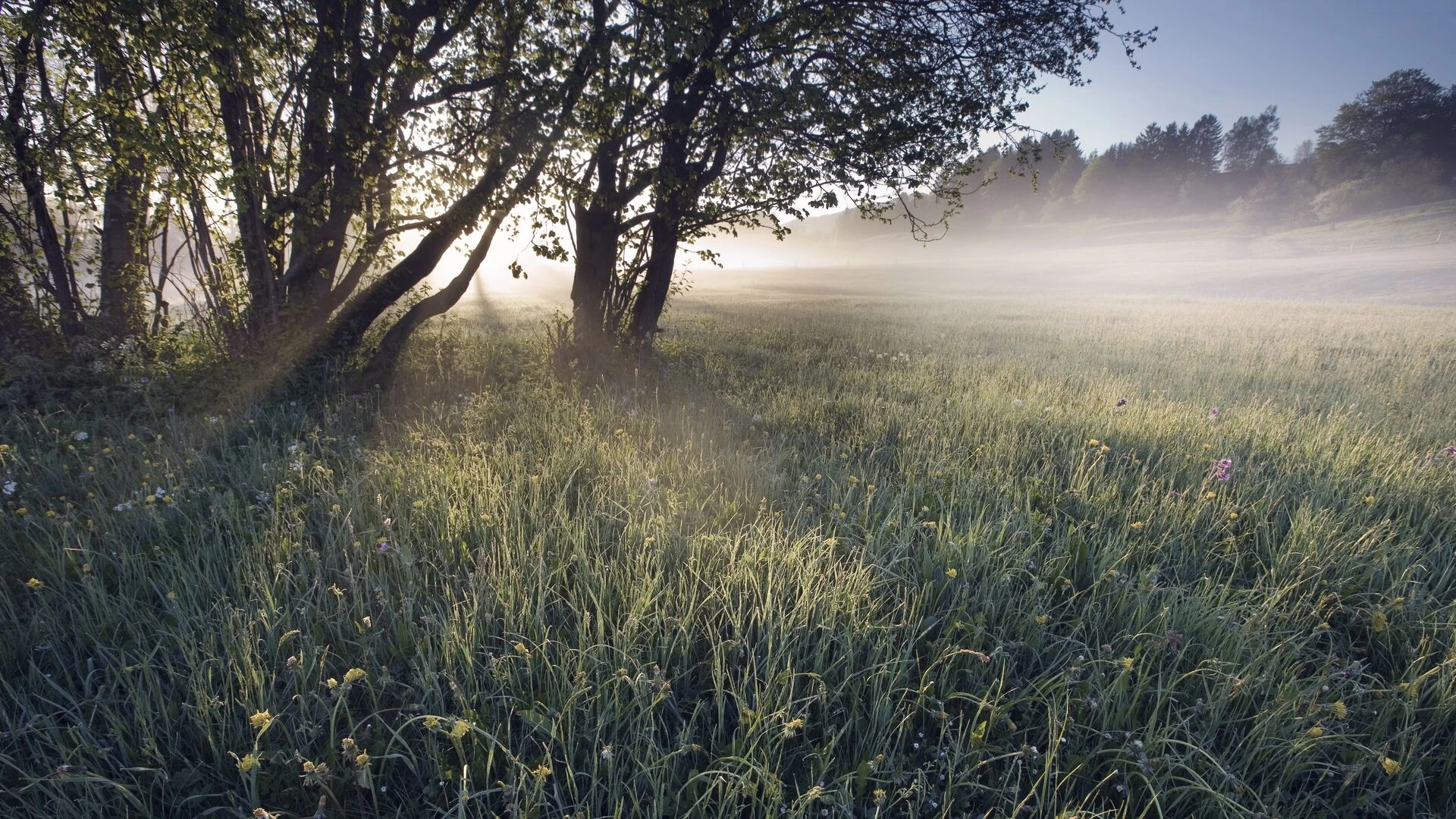
Nature credits are typically verified by third-party organisations using established methods and standards to ensure that the environmental benefits are real, positive and permanent. Think of them as a way to buy and sell measurable improvements to nature. It’s the same principle as carbon credits, where reductions in greenhouse gas emissions and carbon removals can be traded, but related to protecting and restoring biodiversity and ecosystems.

That means that a nature credit represents a single measurable unit of nature-positive benefits and often falls within these two main categories:

  • Conservation – protecting existing high-value ecosystems such as old forests and sensitive marine areas that are under threat of being destroyed by human impacts.
     
  • Restoration – creating, improving and/or building back lost biodiversity, for example by creating new wetlands and designed areas for wild pollinators.

Why do companies buy nature credits?

As more companies begin to measure their impact on biodiversity and recognise the business risks associated with nature loss, the need for financing solutions to address these business challenges grows. Companies can purchase credits to support nature-positive change, balance their environmental impact or fulfil their sustainability goals.

How does Nordea work with nature credits?

Our commitment to biodiversity forms part of our broader sustainability agenda, as described in our thematic guideline on biodiversity and in several of our sustainability sector guidelines. We believe that the nature credit market represents an important tool in the global effort to address nature loss, but development is needed before it becomes a mainstream financial instrument.

Selected for EU expert group

We have recently been selected for the EU Commission's expert group on nature credits. For the next two years, we will help shape future options related to creating a market for nature credits. This is well aligned with Nordea’s aim to contribute to making nature financeable. 

Nordea is one of three financial institutions in the group of more than 70 stakeholders representing different parts of the nature credits value chain, including scientific and research institutions, market developers, technology and data innovators, industry and corporate actors, and NGOs.
Did you know about our donation?

Nordea has made a donation of 250,000 euros to support a four-year research programme on biodiversity at the University of Jyväskylä.  

The research will help develop methods for assessing the biodiversity impact of economic activities funded by financial institutions. The focus is on the Nordics and builds on work by the research group at the University of Jyväskylä, developed for Finnish companies and institutions. Research findings will be shared to help advance this field and support the overall sustainability transition of companies and societies.

Read more
Insights
Explainer
After reading this article, is your perception of Nordea? (Required)
* Required fields are shown with an asterisk.
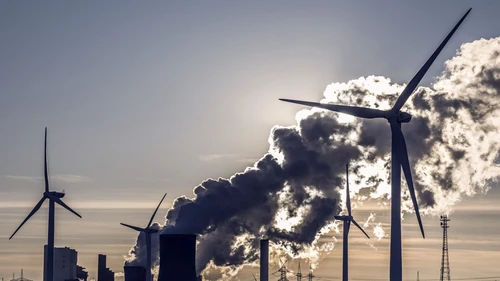
wind-turbines-in-sunset_1920x1080.jpg

Sustainability

Working with suppliers to reduce Scope 3 emissions

The supply chain accounts for most corporate emissions, making it a significant opportunity for impact. Companies that move beyond reporting to active supplier engagement can reduce emissions while strengthening resilience and cutting costs, writes Lead Sustainability Business Analyst Martin Zistler.

Read more
European Union flag

Sustainability

CSRD in practice: Lessons learned, simplifications and the road ahead

Nordea recently gathered sustainability and audit experts from EY, PwC, Deloitte and KPMG for a panel discussion on CSRD reporting, sharing lessons from 2025 and practical advice for what comes next.

Read more
Minimani shop

Sustainability

Energy efficiency investments deliver savings and a better shopping experience at Minimani

Nordea and Caverion collaborate to promote and finance energy efficiency projects of buildings. The aim is to help companies identify opportunities to reduce energy consumption, improve the energy efficiency of properties, and find the right investment solutions.

Read more