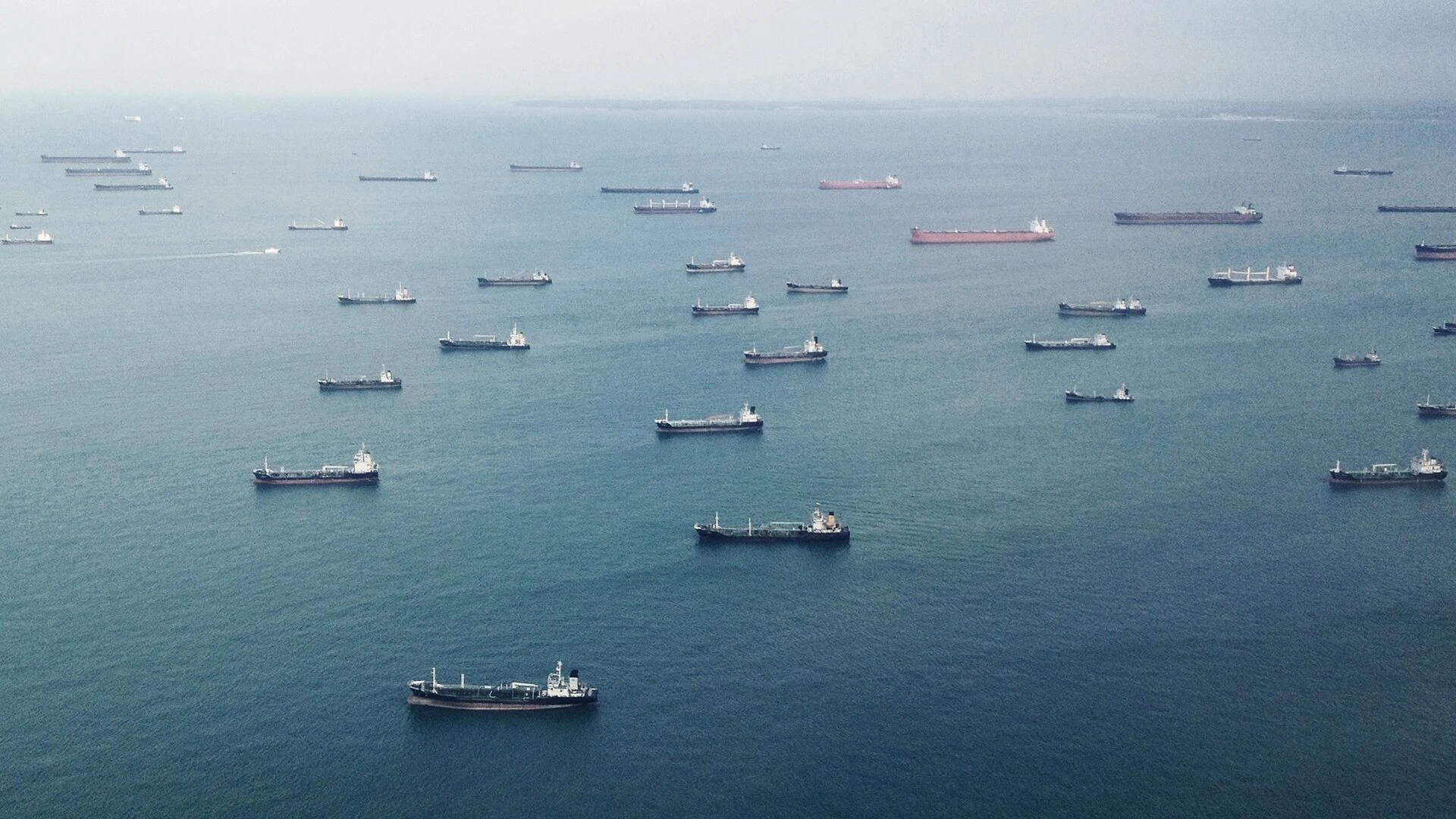
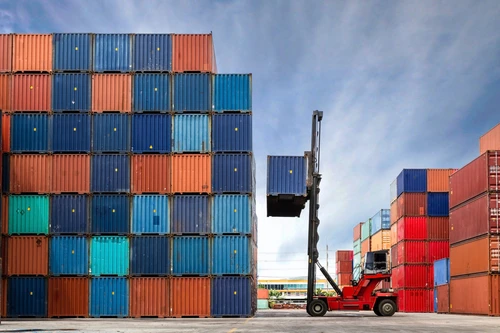
For Nordic firms, the stakes are particularly high. The Nordics are small, open economies that depend heavily on trade, which makes the current shift in the global order something that demands close attention.
Four levers reshaping global trade
Governments have four main geoeconmic instruments at their disposal, and all four are being deployed with increasing frequency:
- Trade policy: Tariffs, embargoes, boycotts and import or export bans. The EU's tariffs on Chinese electric vehicles are a recent example.
- Export controls: Restrictions on where sensitive goods and technologies can go. The US controls on advanced semiconductor technology are a current prominent case.
- Industrial policy and subsidies: Domestic support and resource nationalism designed to build or protect strategic industries, from the US Inflation Reduction Act to the EU’s Green Deal and China's push for dominance in critical materials and clean technology.
- Sanctions: Economic penalties used to constrain or pressure specific countries or actors.
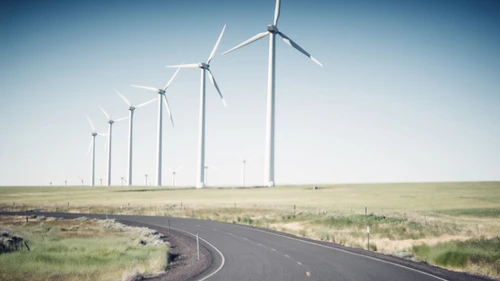
Each lever carries its own risk profile. For Nordic firms competing in materials, batteries, solar, wind and EV supply chains, China's industrial policy is currently the most consequential.
Where the risk actually lands
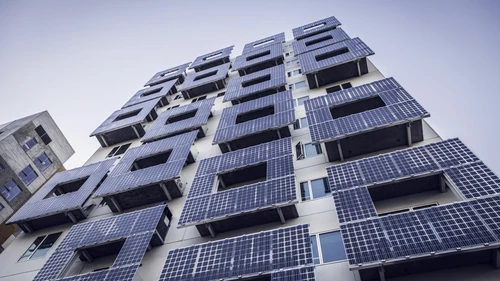
Heavily subsidised Chinese overcapacity in batteries, solar panels and EVs has pushed global prices down. This is good news for buyers, but a serious competitive threat for Nordic manufacturers. At the same time, the EU's tariff response on Chinese EVs illustrates how quickly the ground can shift: a Nordic firm's China-sourced components or joint ventures can suddenly sit on the wrong side of a tariff line.
The risks compound through the supply chain. A tariff or export control rarely affects only the direct relationship. It ripples upstream to raw material and component suppliers, and downstream to customers who may face their own compliance exposure. Companies report squeezed margins, unpredictable input costs, and in some cases, difficulty finding alternative customers or suppliers once a market becomes politically sensitive. Subsidy-driven competition adds a further complication: policy support can expire or be rolled back, creating “boom-and-bust” demand cycles that are difficult to plan around.
From reactive to resilient
Nordic companies that are managing geoeconomic developments well are not simply absorbing the shocks. They are redesigning how they operate:
- Diversifying and localising supply chains: reducing single-country dependency, particularly for critical raw materials and components sourced from China
- Mapping supply chains beyond immediate suppliers: so exposure to sanctions, export controls or subsidy shifts is visible before it becomes a crisis
- Building in flexibility: through dual supply chains, inventory buffers and scenario planning for tariff or policy escalation
- Strengthening monitoring and due diligence: across customers, suppliers and end-use markets, especially where export-control exposure is a factor
Opportunities amid the disruption
Disruption is not only a threat. As global supply chains re-shore and friend-shore, Nordic countries, with strong industrial bases, clean energy and a reputation for regulatory stability, are well placed to attract investment that might previously have gone outside of Europe. Firms that move early to diversify, and that treat supply-chain transparency as a strategic asset rather than a Corporate Sustainability Due Diligence Directive (CSDDD) compliance cost, will be better positioned to compete, and to reassure customers and financiers that they understand their own exposure.