Follow the economy across the Nordic countries and economic changes worldwide.
Economic Outlook
Nordea's Chief Economist: Political risks have increased significantly
Global growth continues at a moderate pace. The US economy was boosted after the presidential election, while Europe is trying hard to catch up. Uncertainty is high and increasingly linked to political developments. Monetary policy rate cuts are coming to an end, and growth in the Nordic region will likely chiefly be driven by domestic demand in the coming year.
Ready for 2025? Join our Nordea Economic Outlook webinar
Get valuable insights from our Group Chief Economist Helge J. Pedersen when he presents a new Nordea Economic Outlook, with our latest analyses and projections for the Nordic and global economies.
Chief Economist's Corner: Will Trump be a wake-up call for Europe?
Economic and political problems are currently piling up in both Germany and France. But perhaps Trump's re-election will be a catalyst for major pan-European reforms.
Chief Economist's Corner: The difficult interest rate journey
Interest rates are being cut quickly at the moment, and the course is set towards neutral - although no one quite knows what that level is, writes Nordea Group Chief Economist Helge Pedersen.
Our Nordea forecast implies a slight further weakening of NOK towards year-end and a somewhat stronger NOK next year. But if Trump becomes president, the rate cut cycle in the US could soon end, and the USD could strengthen further. We therefore see a clear risk of a weaker NOK than our current forecasts imply.
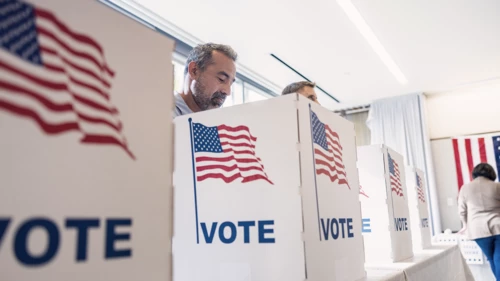
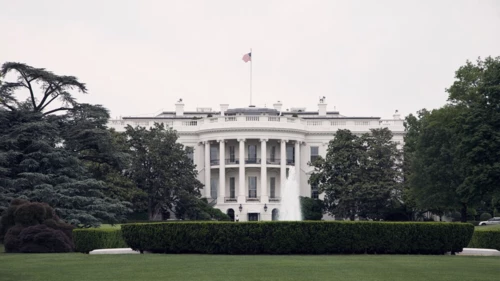
The US election: What’s at stake for the economy and markets?
An interesting US presidential election is drawing closer. While the result may not end up changing the medium-term outlook for the US economy significantly, the risks are real on many horizons.
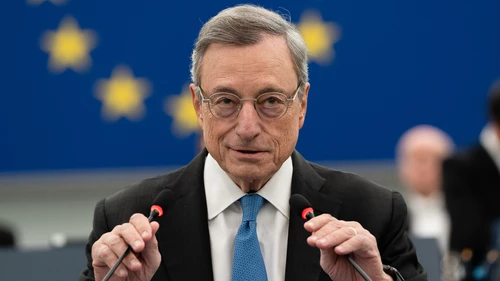
Chief Economist's Corner: Can Super Mario do it again?
The crisis is taking its toll on the EU, which is lagging further and further behind the US and China in the great economic race. Now Mario Draghi has presented a plan that may save the situation.
After some hectic years, the Danish economy is moving into a calmer period. Inflation is under control in both Denmark and the Euro area, boosting household purchasing power.
Sweden's public finances are stable, which is and has been a strength – especially during the recent turbulent years with the pandemic, war and high inflation. Ahead of the next framework period, low government debt and an increased investment requirement open the door for a more expansionary fiscal policy.
Thanks to high wage growth, lower inflation and a stable interest rate environment, household purchasing power is now increasing quite significantly in Norway. Economic growth will likely pick up and unemployment remain fairly stable going forward.
Over the past ten years, the Danish labour market has undergone a remarkable development. The latest figures indicate that a soft landing has been achieved, with continued low unemployment at the same time as the balance between supply and demand for labour has improved.